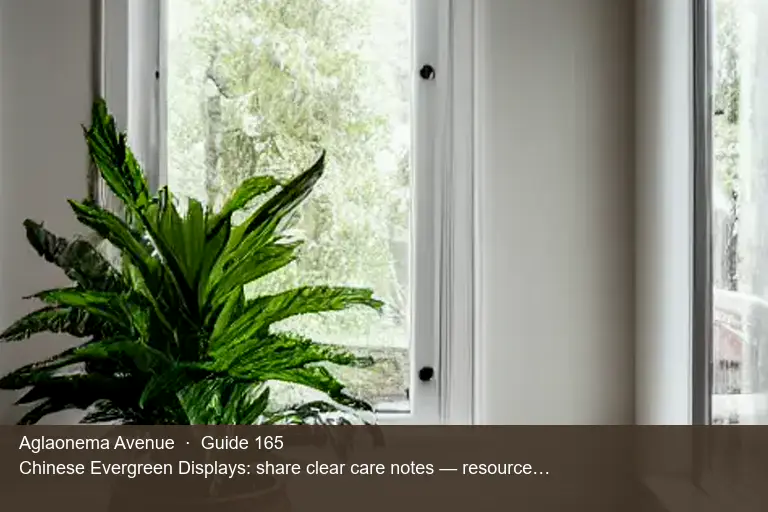
Chinese Evergreen Displays: share clear care notes — resource budget for shared plant care; setup over six weeks
Chinese evergreen displays, or evergreen bunting, are a delightful addition to any garden or indoor decor. These small plants are commonly used to add depth and color to the landscape. However, care needs to be taken to ensure they thrive in their chosen environment. Here, we'll guide you through the process of caring for Chinese evergreen displays over a six-week project, ensuring they are safe, healthy, and vibrant.
**Setting Up the Project**
The first step in any gardening project is setting up the project. This involves planning the project, determining the amount of space you have for the plants, and selecting the plants that will best fit your needs. For Chinese evergreen displays, you will need a small container, such as a planter, pot, or hanging basket. Choose a container that can hold the plants without causing damage or overcrowding the space. A planter is a great choice as it allows for easy watering and provides a small container.
**Choosing the Plants**
The second step is choosing the plants. Chinese evergreen displays can vary in size and shape, so it's important to choose the right plants that fit your needs. Some common types of Chinese evergreen include Chinese lantern bunting, Chinese yew bunting, and Chinese tree fern. These plants are known for their unique shapes and their ability to add depth and color to the garden.
**Setting the Planter**
Once you've selected the plants, it's time to set the planter. This involves placing the planter on a sturdy surface, such as a small table or a wooden bench. The planter should be placed in the center of the space, making sure it's easy to reach and will not obstruct the flow of the space. You can also place the planter on a small table or a wooden bench, which can help maintain the space.
**Watering the Plants**
Watering is a crucial aspect of plant care. Chinese evergreen displays should be watered regularly, but not too often. Water the plants when you see the soil is dry to the touch. It's important to avoid waterlogging the plants, which can cause root rot and other issues.
**Pruning the Plants**
Pruning is a crucial aspect of plant care. Chinese evergreen displays can benefit from pruning to shape the plants and to encourage new growth. Pruning can also help to prevent disease and ensure that the plants remain healthy. You can prune the plants when they are growing from a young age, but avoid pruning them after they have grown too large.
Once you've trimmed the plants, it's time to prune them. You can prune the plants to shape the plants, to encourage new growth, or to remove any dead or diseased parts.
**Maintenance of Chinese Evergreen Displays**
Finally, it's important to maintain the Chinese evergreen displays. This involves checking the plants regularly, watering them when you see the soil is dry to the touch, pruning the plants when they are growing from a young age, and pruning the plants to shape the plants and encourage new growth. Additionally, it's important to remove any dead or diseased parts to ensure that the plants remain healthy.
**Conclusion**
Chinese evergreen displays are a delightful addition to any garden or indoor decor. By following these steps, you can ensure that your Chinese evergreen displays are safe, healthy, and vibrant. By setting up the project, choosing the plants, setting the planter, watering the plants, pruning the plants, and maintaining the displays, you can ensure that they are a success.